Tiếng Việt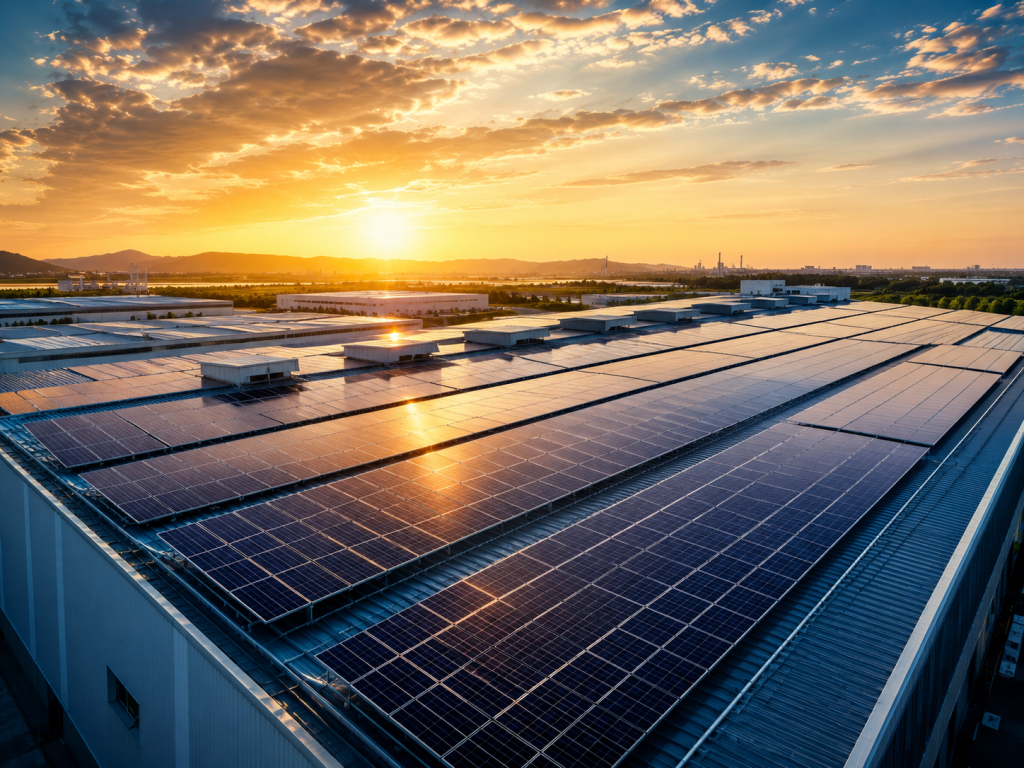
Introduction: PV-ESS – The Future of Clean Energy Solutions
In a context where the demand for clean and sustainable energy is increasing dramatically worldwide, solar power systems combined with energy storage (PV-ESS) have emerged as a superior solution, helping maximize electricity usage efficiency and minimize environmental impact. Particularly in Vietnam, investing in PV-ESS not only addresses carbon emission reduction goals but also drives the green transition process in industrial production and residential sectors.
PV-ESS brings numerous economic and environmental benefits, aligning with the development trend of enterprises moving toward sustainable development. The combination of abundant solar energy sources and modern storage technology opens opportunities to optimize costs, gain energy independence, and protect the natural environment. Let’s explore deeper into what is PV-ESS? Solar power combined with energy storage model and the outstanding features creating a new wave in the renewable energy sector.
PV-ESS Concept and Main Components
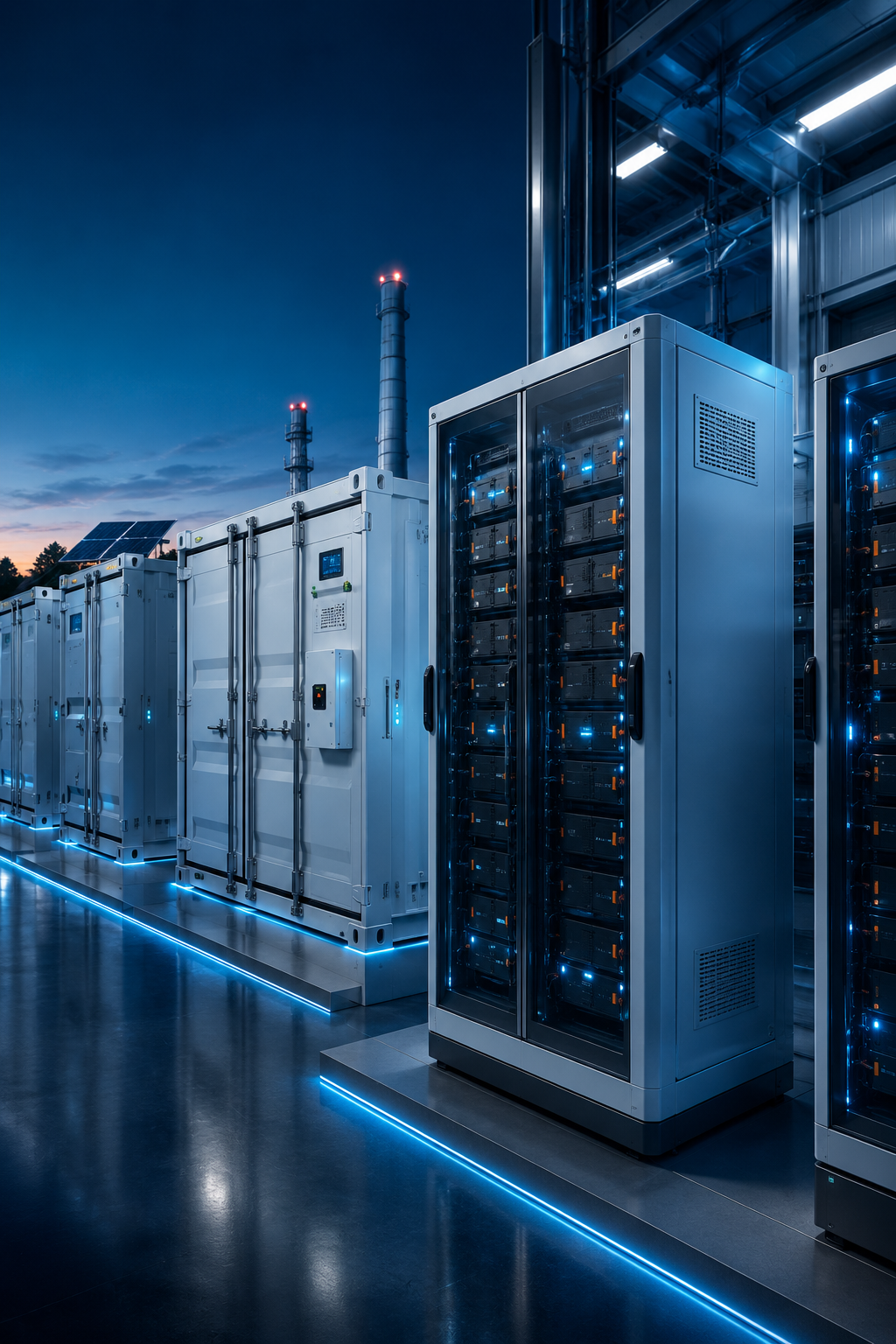
PV-ESS (Photovoltaic – Energy Storage System) is a model combining solar power systems (PV – Photovoltaic) and energy storage equipment (ESS – Energy Storage System), typically modern lithium-ion batteries. PV-ESS not only simply converts sunlight into electricity like traditional systems but also stores surplus energy for use when needed, enhancing energy autonomy.
- Solar Panels: Capture sunlight and convert it into direct current (DC) electrical power.
- Battery Storage: Store surplus electricity from daytime for supply in the evening or during peak hours.
- Inverter: Convert DC electricity into alternating current (AC) compatible with standard electrical systems.
- Energy Management System (EMS): Monitor and optimize electricity distribution between solar sources, storage, and the grid.
- Grid Connection: Allow two-way electricity exchange between the PV-ESS system and the national network.
Thanks to the coordination between these components, the solar power combined with energy storage model delivers the capability of proactively supplying stable electricity, reducing grid dependence, and improving clean energy usage efficiency. According to Wikipedia, energy storage has become a critical factor helping renewable energy sources reach their full potential.
Outstanding Advantages of PV-ESS Model for Enterprises
For enterprises, implementing PV-ESS systems brings numerous outstanding advantages, contributing to enhancing competitive capabilities and ensuring sustainable development:
- Save on electricity costs: Significantly reduce costs by leveraging abundant solar power and minimizing grid electricity purchases during high-price peak hours.
- Energy supply autonomy: Maintain continuous production even during grid outages thanks to battery storage, minimizing operational disruption risks.
- Reduce carbon emissions: Contribute to environmental protection and enhance enterprise brand value in the eyes of customers and international partners.
- Easy integration of smart management systems: Control, optimize, and monitor electricity usage efficiency through advanced energy management software.
- Enhance credibility and access to “green” certifications: Meet ESG requirements, LEED standards, I-REC, expanding global business cooperation opportunities.
Investing in PV-ESS not only helps save costs but also builds a green, sustainable enterprise image – a factor increasingly prioritized in global supply chains (Forbes).
Process for Building an Effective PV-ESS System
Building a solar power system combined with energy storage requires following a systematic process to ensure investment effectiveness and operational safety. Below are the important steps in the implementation process:
- Survey – assess electricity consumption needs: Collect consumption data, determine energy saving goals, and establish targets for energy autonomy.
- Design optimal systems: Select appropriate solar panel capacity, battery storage size, and inverter configuration suited to specific facilities.
- Develop financial and legal plans: Build investment proposals, detailed cost estimates, and complete permits according to regulations.
- Construction – installation: Proceed with equipment installation according to technical standards, ensuring safety and operational efficiency.
- Inspection – trial operation: Evaluate performance, adjust parameters, and integrate the EMS system for smart monitoring.
- Maintenance – long-term technical support: Conduct regular inspections, maintenance, and software updates to ensure stable operation.
Coordination between steps and selection of reputable partners play a decisive role in the success of a PV-ESS project (HubSpot).
PV-ESS Compared to Traditional Solutions
When comparing PV-ESS with traditional electricity solutions such as grid power or diesel generators, the differences in efficiency and environmental impact are extremely clear:
- Autonomy and flexibility: PV-ESS allows storing and using electricity whenever needed, independent of the national grid, while grid electricity is susceptible to disruption from failures or overload.
- Environmentally friendly: No CO2 emissions, no noise or pollution like traditional generators.
- Optimize long-term costs: Although initial investment costs may be higher, PV-ESS saves significantly long-term thanks to low operating costs and high equipment lifespan.
- Support smart grid integration: PV-ESS easily integrates with smart grid systems, helping optimize electricity distribution and support digital energy transition processes.
Thanks to these advantages, the solar power combined with energy storage model is increasingly being applied widely across enterprises, industrial zones, high-rise buildings, and households (Wikipedia – Solar Power).
Conclusion: PV-ESS – Smart Investment for Sustainable Development
With advantages in energy supply autonomy, cost optimization, and environmental protection, PV-ESS has proven to be a smart and sustainable investment trend for modern enterprises. Applying the solar power combined with energy storage model not only meets strict environmental standards but also demonstrates the enterprise’s commitment to a green future and society’s common development.
Investing in PV-ESS means proactively controlling production, minimizing energy risks, and accompanying the steady development of the modern world. Don’t miss the opportunity to keep pace with trends – choose the solar power combined with energy storage model to affirm your enterprise’s position and sustainable value.